


The urgent need for Atlantic leatherback turtle conservation
Atlantic leatherback turtles (Dermochelys coriacea) are the largest of sea turtles and travel thousands of kilometres across the Atlantic, linking nesting beaches in the tropics with feeding grounds as far north as Canada and Iceland and as far south as Argentina and South Africa. This sees them traversing the waters of many nations and the High Seas.
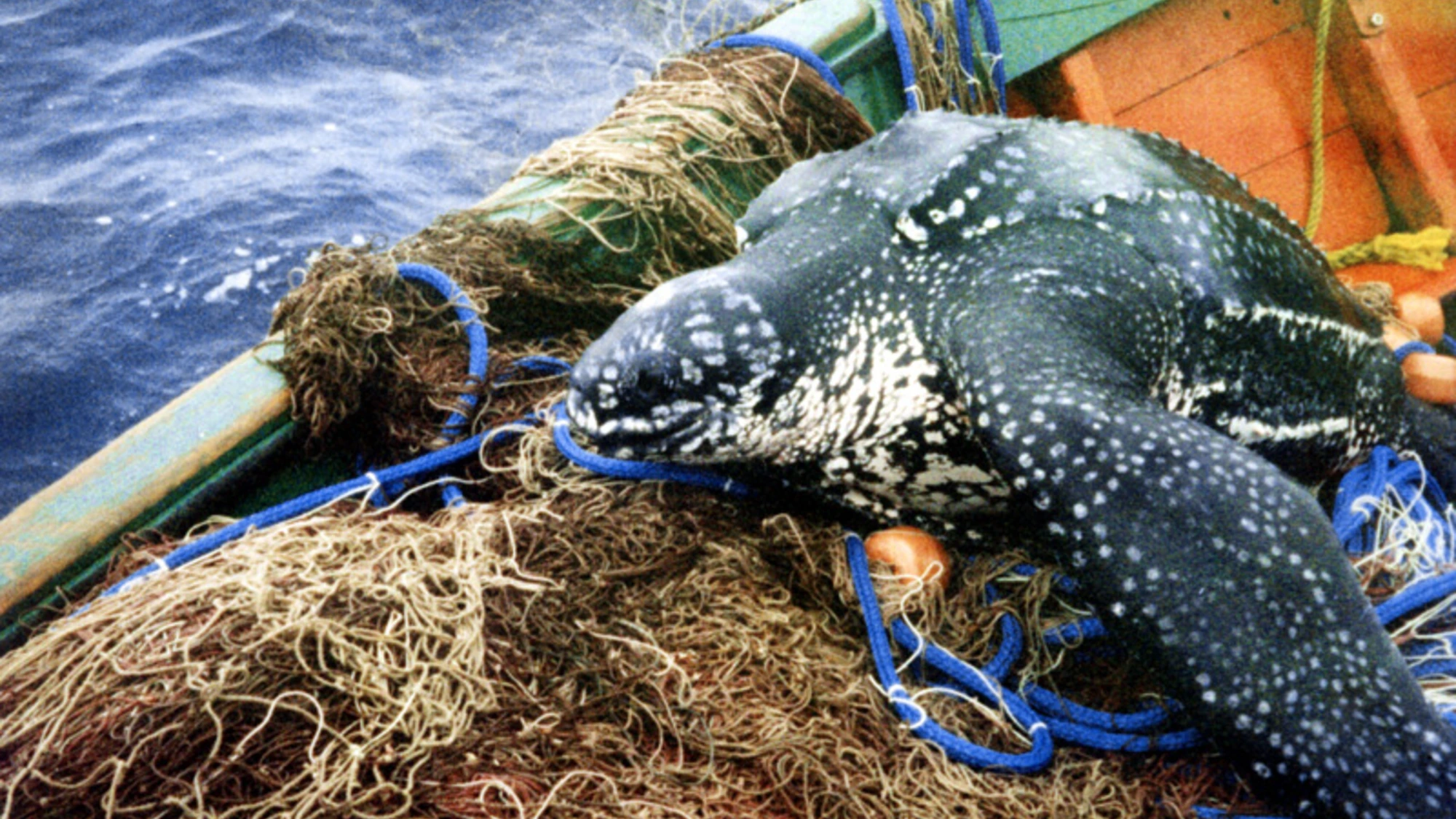
Several Atlantic populations are in serious decline, while others are stable or increasing but with uncertain futures. Fisheries bycatch, habitat loss, climate change, and marine pollution are placing increasing pressure on this highly migratory species. Because leatherbacks mature slowly and rely on high adult survival rates, even small increases in mortality can lead to significant population declines.
There are critical gaps in data on abundance, nesting trends, migration routes, and conservation priorities. Without urgent, coordinated action, key populations may be lost.
Protecting Atlantic leatherbacks requires international collaboration, combining research, policy, public awareness and strategic conservation to reduce threats and safeguard critical habitats.
Immediate action is needed to secure the future of Atlantic leatherback turtles before further declines become irreversible.